Trim to fit blinds vs custom blinds: which should you buy?
Trim-to-fit is a great option when a suitable ready-made blind can be reduced to your measurements. Custom-made is worth exploring when you need a size or material that the ready-made range doesn’t offer.
You’ve found a blind you like, but the size isn’t quite right. Should you have a ready-made blind trimmed, or order one made specifically for your window?
When weighing up trim to fit blinds vs custom blinds, start with your windows and your budget. You don’t need to pay for extra choice you won’t use, but you also don’t want to buy something that never fits properly.
Finishing Touches offers professional trimming on selected ready-made blinds, so choosing trim-to-fit doesn’t mean you’ll be cutting them yourself.
What are trim-to-fit blinds?
Trim-to-fit blinds start as ready-made blinds in standard sizes. Your chosen option is then reduced to fit your window, using the limits of its design.
Think of a blind that’s a little wider than your opening. If that model allows the required adjustment, trimming can give you a better fit without having a new blind manufactured from scratch.
But how much can you take off? This will be based on the product. Width and drop are separate adjustments, and you shouldn’t assume both can be changed on every blind.
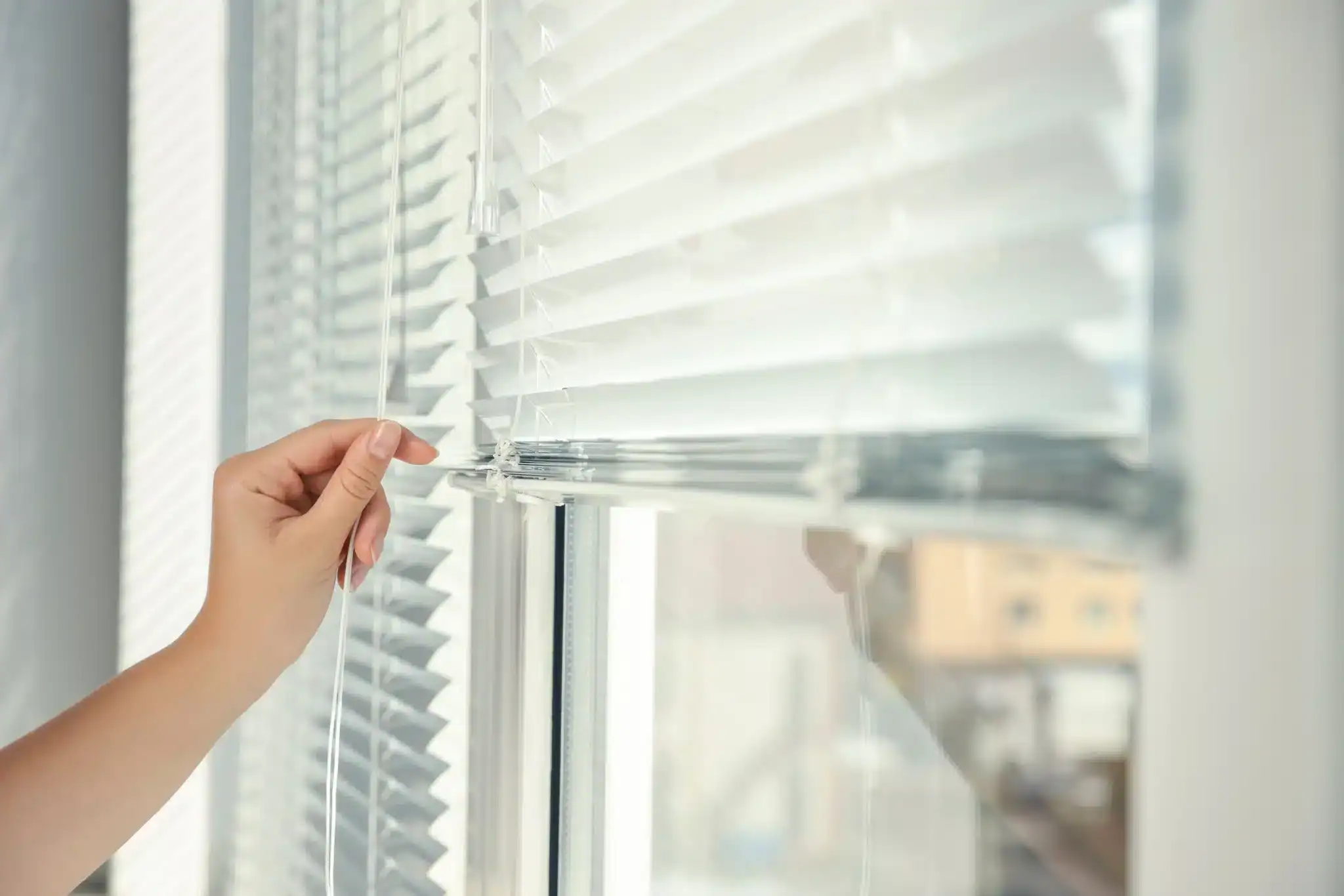
Finishing Touches’ trim-to-fit range includes 25mm aluminium Venetian blinds, blockout roller blinds and sheer roller blinds. Choose a style you like, then confirm that it can be adjusted to your required dimensions.
Using ready-made stock can mean a shorter wait than a custom order. You’ll still need to allow for trimming and delivery, though, so check the timing before planning your installation.
Also, ready-made doesn’t always mean trimmable. If you’re buying elsewhere and intend to cut a blind yourself, check the manufacturer’s instructions first. A poor cut can spoil the finish and damage the mechanism. Don’t reach for the saw just because the blind looks easy to shorten.
What are custom-made blinds?
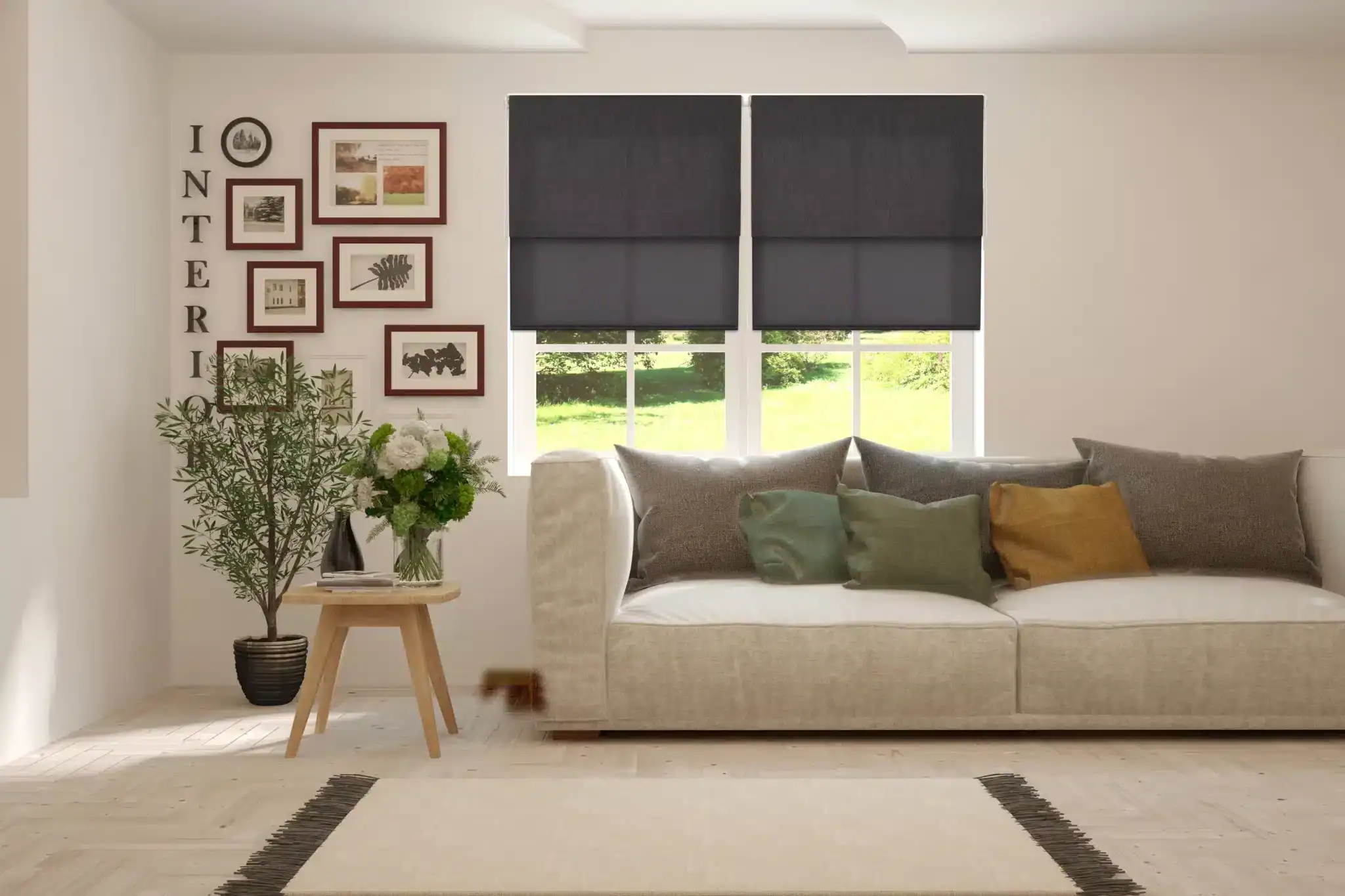
Custom-made blinds are produced to specified measurements. You choose from the materials, colours and operating options available in the supplier’s custom range.
This is a good option when you’ve got a window that ready-made stock won’t cover. It’s also worth considering if you want a certain fabric or finish and can’t find it in the trim-to-fit range.
Perhaps you’re fitting blinds across an open-plan living area. The windows are different sizes, but you want them to look consistent. A custom order can give you the combination of sizes and finishes you need.
You’ll still have to check the product’s limits. Custom-made doesn’t mean every blind can fit every opening, and an unusual shape may need a specialist solution.
Measuring is just as important here. If the opening is awkward or you’re unsure about the mounting position, ask what measuring and fitting help is available before ordering.
You’ll also need to allow time for production and delivery. If you’re hoping to have everything fitted before you move in, confirm the current lead time early.
Trim to fit blinds vs custom blinds: what are the key differences?
| Comparison factor | Trim-to-fit blinds | Custom-made blinds |
| Sizing | A standard-sized blind is reduced within its adjustment limits | A blind is manufactured to specified measurements |
| Fit | Can fit neatly if a suitable stock product can be adjusted | Useful when suitable ready-made sizes won’t work |
| Upfront cost | May cost less, depending on the blind and trimming charge | Depends on size, material and the options you choose |
| Availability | You’ll need to allow for stock availability, trimming and delivery | You’ll need to allow for production and delivery |
| Installation | Having it professionally trimmed doesn’t mean installation is included | Having it made to measure doesn’t mean installation is included |
| Design choice | You choose from the available ready-made range | You choose from the available custom-made range |
| Measurement risk | Wrong measurements can leave you with a blind trimmed to the wrong size | Wrong measurements can leave you with a blind made to the wrong size |
| Best for | Windows that suit an available style and its adjustment limits | Windows or preferences that need a different size or specification |
Which option is more affordable?
Trim-to-fit typically costs less when there’s a suitable blind in the available range. But the starting price won’t always tell you what you’ll spend.
Check the total for your size, including any trimming charge, delivery and fitting. For a custom blind, get a quote for the material and mechanism you actually want.
Are you comparing like with like? A basic ready-made blind and a custom blind with a different fabric or operating system may have quite different prices. Compare options that meet the same needs before deciding which offers better value.
There’s also the cost of getting it wrong. A cheaper blind isn’t much of a saving if you have to replace it because it’s too narrow.
You don’t have to choose one route for the whole house, either. Trim-to-fit could work well for several bedroom windows, while a wide lounge window needs a custom-made option. Spend where the window or room calls for it.
Which blinds offer the best fit and finish?
Both can look good when the blind suits the window and the measurements are right. Professional trimming can give a ready-made blind a neat fit. A custom order is a great option when the available stock sizes or finishes won’t meet your needs.
Before comparing the two, decide where you want the blind to hang.
| Mounting position | Where the blind sits | What to check |
| Inside the recess | In the window opening | Enough depth for its brackets, and that it won’t catch on the handles |
| Outside the recess | On the wall or frame around the opening | How much coverage you need, and where the brackets can be fixed |
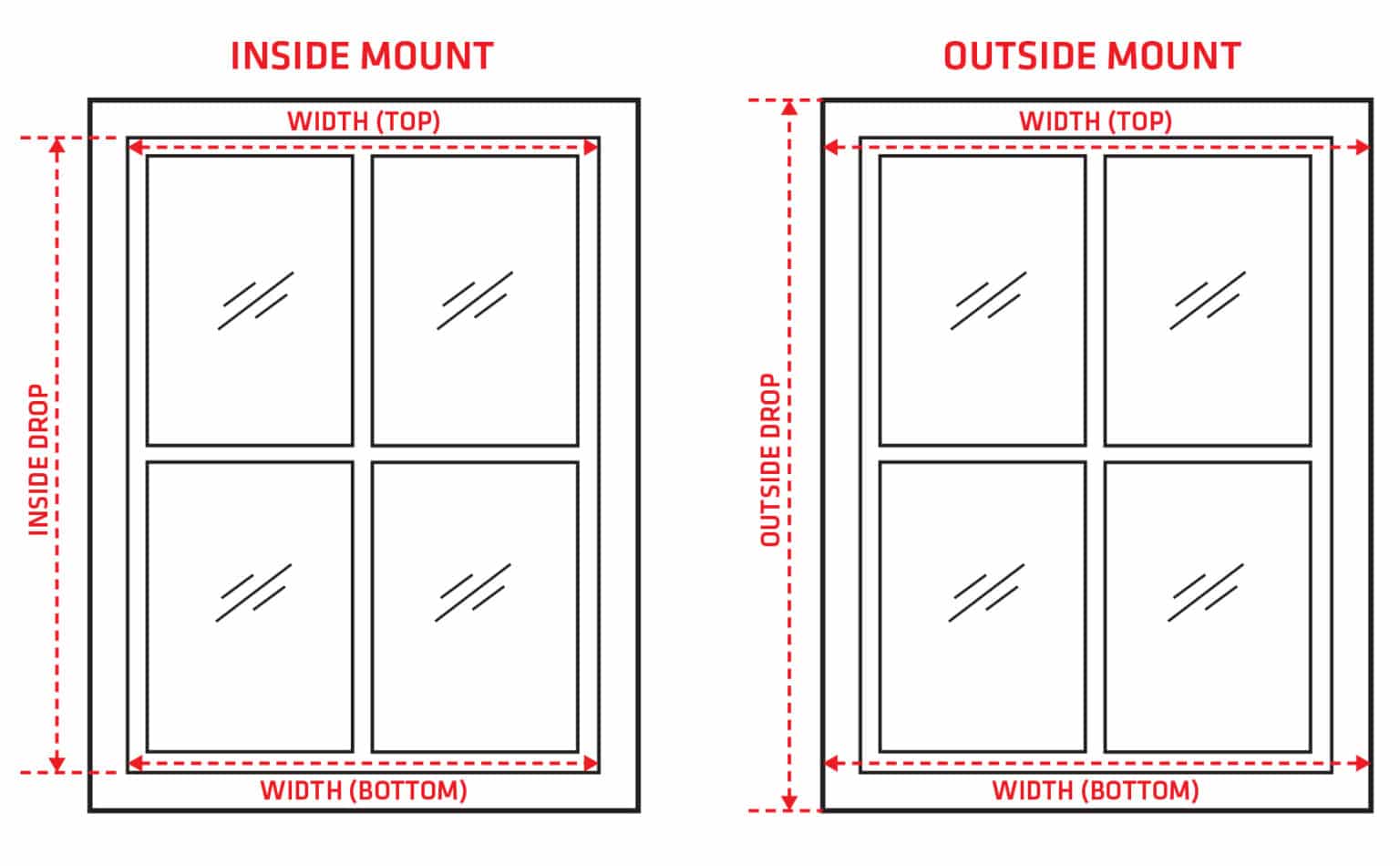
Don’t rely on one quick width measurement. A window opening can be slightly narrower at one point than another, even if it looks square.
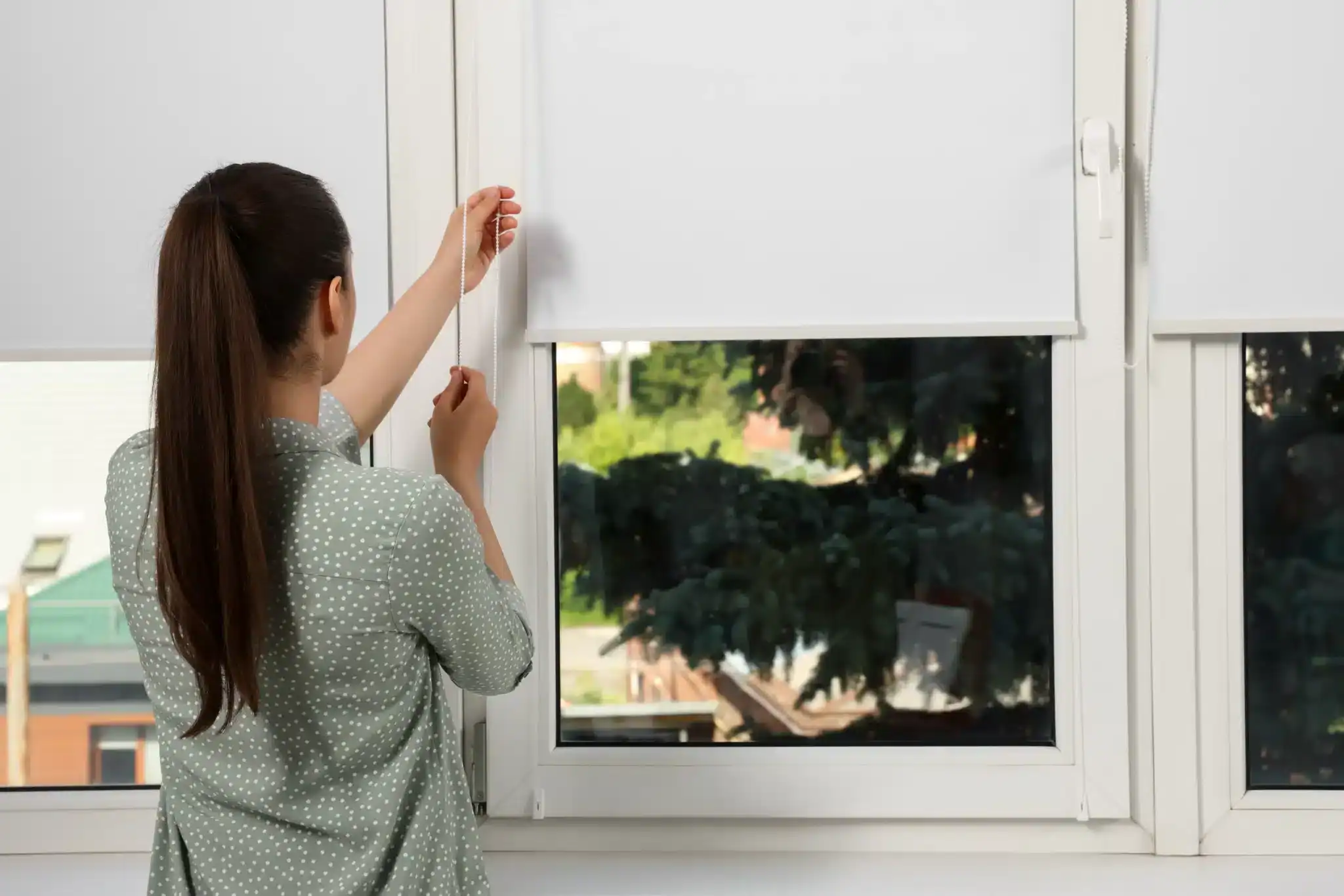
For roller blinds, ask whether the quoted width means the fabric width or the overall width, including the brackets. That distinction is important when you’re trying to cover the full opening.
And if you’re buying for a bedroom, think beyond the fabric. Blockout fabric doesn’t always stop light coming around the edges. Discuss the mounting position and coverage as well, especially if morning light is what you’re trying to keep out. Our guide to blockout curtains vs blackout roller blinds for bedrooms covers this in more detail.
When should you choose trim-to-fit blinds?
Trim-to-fit is a sensible option when you like an available blind and it can be safely adjusted to suit your window.
You might be refreshing a spare room, fitting out a rental property or replacing a worn blind without changing the rest of the décor. If the size, colour and light control work for you, there may be little reason to commission a different product.
- ✓ Your measurements fall within the blind’s permitted adjustment range.
- ✓ The available material and finish suit the room.
- ✓ You understand who will do the trimming and how the blind will be installed.
If the stock blind is too small, trimming won’t help. And if nobody can clearly confirm the adjustment limits, pause before buying. It’s easier to choose another option now than deal with a poor fit later.
When are custom-made blinds the better choice?
Look at custom-made blinds when you can’t find a suitable combination of size and style in the trim-to-fit range.
Perhaps your window is wider than the available stock blinds. Or you’ve found a fabric that works with your curtains, but it’s only available made to measure. Those are good reasons to consider a custom order.
Custom-made also lets you coordinate several windows with different dimensions. Ask which finishes and options are available across all the sizes you need.
For an arched or angled window, get advice about the shape itself. Ordering a rectangular blind to a custom size won’t solve the problem.
The same applies to tight recesses and awkward handles. Explain those details before you order. You need a blind that can open and close comfortably once it’s fitted.
Trim-to-fit or custom-made: which suits your window?
Use this quick verdict to match your situation to the right route.
| Your situation | Better route |
| You like an available blind and your measurements fall within its adjustment range | Trim-to-fit |
| You are refreshing a spare room, fitting out a rental or replacing a worn blind | Trim-to-fit |
| Your window is wider than the available stock blinds | Custom-made |
| The fabric or finish you want is only available made to measure | Custom-made |
| Several windows of different sizes need to look consistent | Custom-made |
| An arched or angled window | Get advice on the shape first |
Each route has its own strengths and trade-offs.
| Option | Pros | Cons |
| Trim-to-fit blinds | May cost less; ready-made stock can mean a shorter wait; professional trimming on selected blinds | Limited to the ready-made range and each blind’s adjustment limits; won’t help if the stock blind is too small |
| Custom-made blinds | Made to specified measurements; wider choice of materials, colours and operating options; easier to coordinate different-sized windows | Time needed for production and delivery; cost depends on size, material and options; product limits still apply |
What should you measure before buying blinds?
You don’t need to guess, and you shouldn’t have to invent your own measuring rules. Follow the guidance for the blind you’ve chosen.
- Decide where it will sit. Choose inside- or outside-recess mounting before taking your final measurements.
- Check the width. Measure at the points specified in the product’s instructions.
- Check the drop. Measure from the intended starting point to where you want the blind to end.
- Look for obstructions. Check recess depth, handles and anything that could catch the blind or prevent the window opening.
- Ask which measurements to supply. Does the supplier want the window opening size or the finished blind size? Who makes any deductions?
- Measure again. Label each window and keep your units consistent before ordering.
Don’t subtract a standard amount because you’ve seen someone do it in a video. The correct allowance depends on the product and how it’s mounted.
If something looks awkward, send photographs along with your measurements and ask for advice. Photos can explain the space, but you’ll still need accurate dimensions.
How do you choose the best blinds for your home?
Think about how you use the room before settling on a blind.
In a living room, you may want softer daylight without closing the room off completely. In a bedroom, privacy and light control usually come first. At your desk, the main irritation might be glare on the screen.
Those needs should guide your choice of material and blind style. Then consider how it will fit, how you’ll clean it and whether it works with your existing curtains.
If a trim-to-fit product ticks those boxes, it’s worth considering. If it doesn’t, find out what the custom range can offer.
Before paying, confirm the dimensions and expected timing. A few questions at this stage can save you having to make the wrong blind work later.
Explore blind options with Finishing Touches
Take a look at our trim-to-fit blinds for ready-made options we can professionally adjust to your measurements. If you need a different size or specification, explore our custom-made blinds.
Contact Finishing Touches with your measurements, a few photographs and an idea of what you’d like the blinds to do. We’ll help you check the available options before you order.
Frequently asked questions
Can all ready-made blinds be trimmed?
No. Trimming depends on the blind. Check the exact model before buying, even if a similar-looking blind can be trimmed. Finishing Touches offers professional trimming on selected ready-made products, including 25mm aluminium Venetian blinds, blockout roller blinds and sheer roller blinds.
Can a blind’s width and drop both be reduced?
Not always. Width and drop are separate adjustments, and a product could allow one without allowing the other. Confirm that your measurements fall within the blind’s permitted adjustment range in both directions before ordering. If the stock blind is too small either way, trimming won’t help.
Does professional trimming include installation?
Not necessarily. Trimming adjusts the blind’s size, while installation involves fitting it at your property. Ask whether brackets, delivery and fitting are included or need to be arranged separately, so you know the full cost and can check the timing before planning your installation.
Do Finishing Touches roller blinds come with brackets?
Yes, roller blinds from Finishing Touches include the necessary brackets and mounting accessories for installation. When comparing sizes, ask whether the quoted width means the fabric width or the overall width, including the brackets. That distinction is important when you’re trying to cover the full opening.
Should I make deductions from my window measurements?
No. Measure the exact opening or space, and let the cutting team use the necessary clearance deductions. Making your own deductions can result in a blind that ends up too small and leaves unwanted gaps. If the opening looks awkward, send photographs along with your measurements.
Will a custom-made blockout blind eliminate all bedroom light?
Not always. Blockout fabric stops light passing through the material, but gaps around the edges can still admit daylight. Discuss the mounting position and coverage needed if early morning light is a problem, and decide whether the blind should sit inside or outside the recess before you measure.
Can I return a blind after it has been trimmed or made to order?
Generally not. There are no returns or refunds for custom-made or personalised products, and trimmed alterations are generally final sale unless faulty. If a product is damaged or defective on delivery, you must report it within 7 days, and incorrect items must be reported within 24 hours.
Can I match blinds across windows of different sizes?
Possibly, provided the same finish is available in every size you need. Confirm availability across the complete order before buying the first blind. If you’re combining ready-made and custom products, ask to compare samples rather than relying on similar colour names.
Can custom-made blinds fit arched or angled windows?
Sometimes, but arched and angled openings may need a specialist product or mounting arrangement. Ordering a rectangular blind to a custom size won’t solve the problem. Send photographs and measurements so the supplier can assess what’s possible before you place your order.
Can I keep my existing brackets when replacing a blind?
Not always. Brackets and fixing positions can differ between products, even where the blinds have similar dimensions. Ask whether your existing fittings are compatible and which hardware comes with the replacement before you take down the old blind, so you’re ready to fit the new one.