The main function of motorised blinds is simple: powered control instead of manual adjustment. One blind or multiple blinds can be opened, closed, or positioned as required for light, privacy, shade, and glare.
South African homes can have large windows, rooms facing the street and areas that get direct afternoon sun, all within a modern interior.
A motorised blind can make daily window décor more practical in these spaces, especially where manual adjustment becomes inconvenient or hard to manage across several blinds.
The right result depends on more than the motor. Blind type, fabric, window size, sun exposure, power source, and control method can affect the result. A tailored solution should account for the room first, then match the blind and automation level to that requirement.
What are motorised blinds, and how does motorised control work?
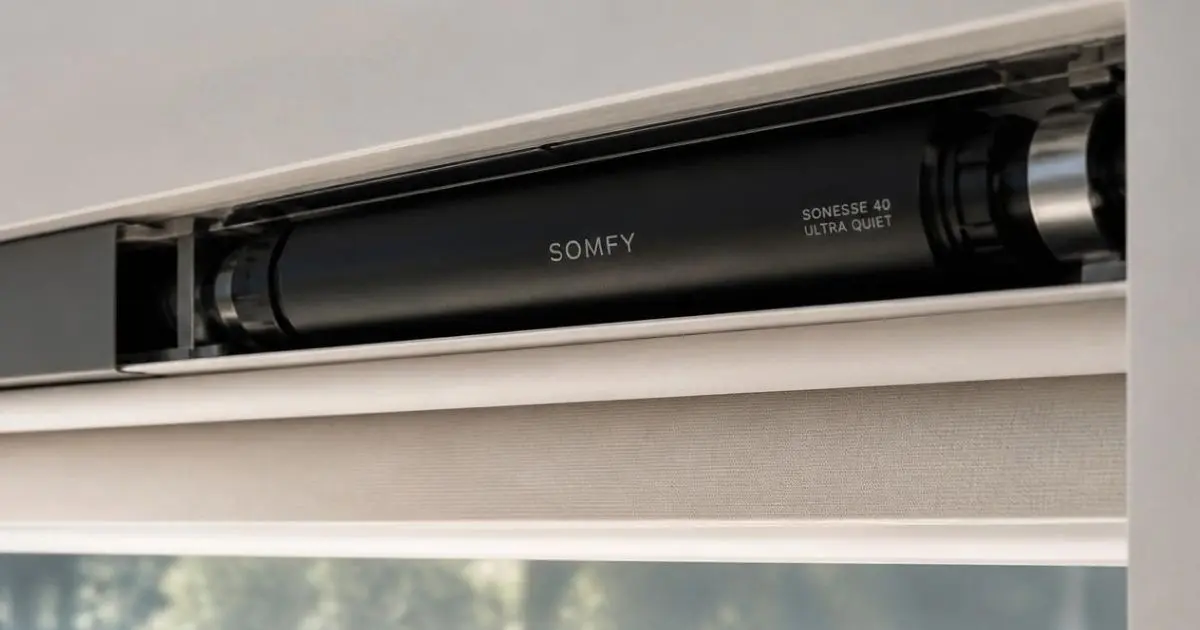
A motorised blind has an electric motor inside the blind mechanism, which moves the blind without a manual chain or cord.
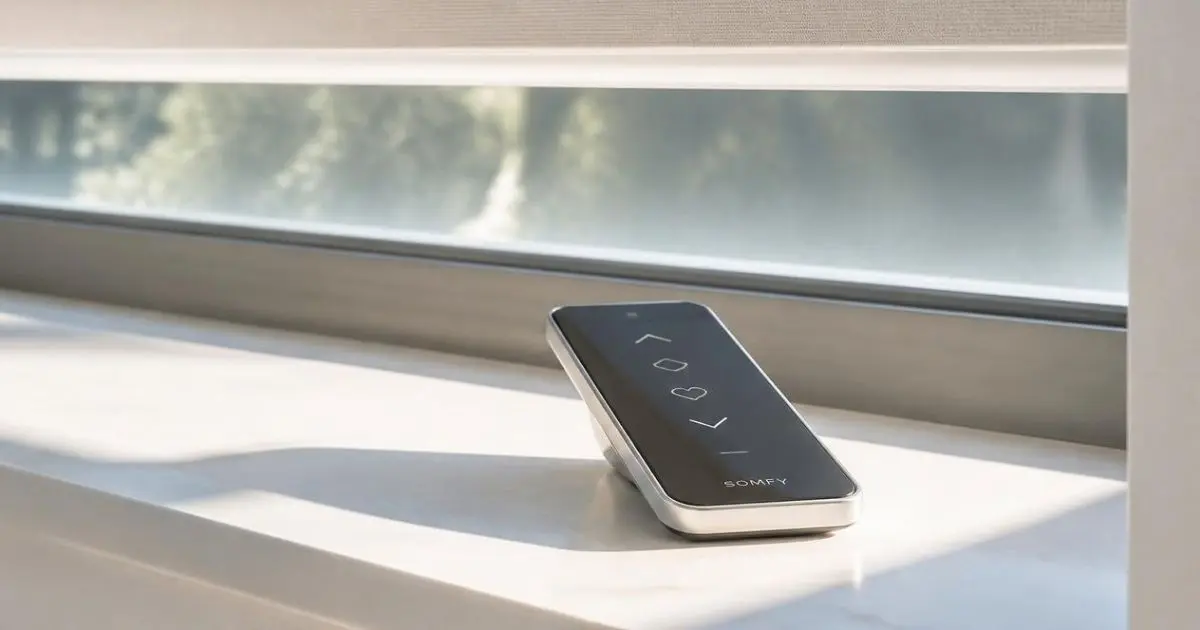
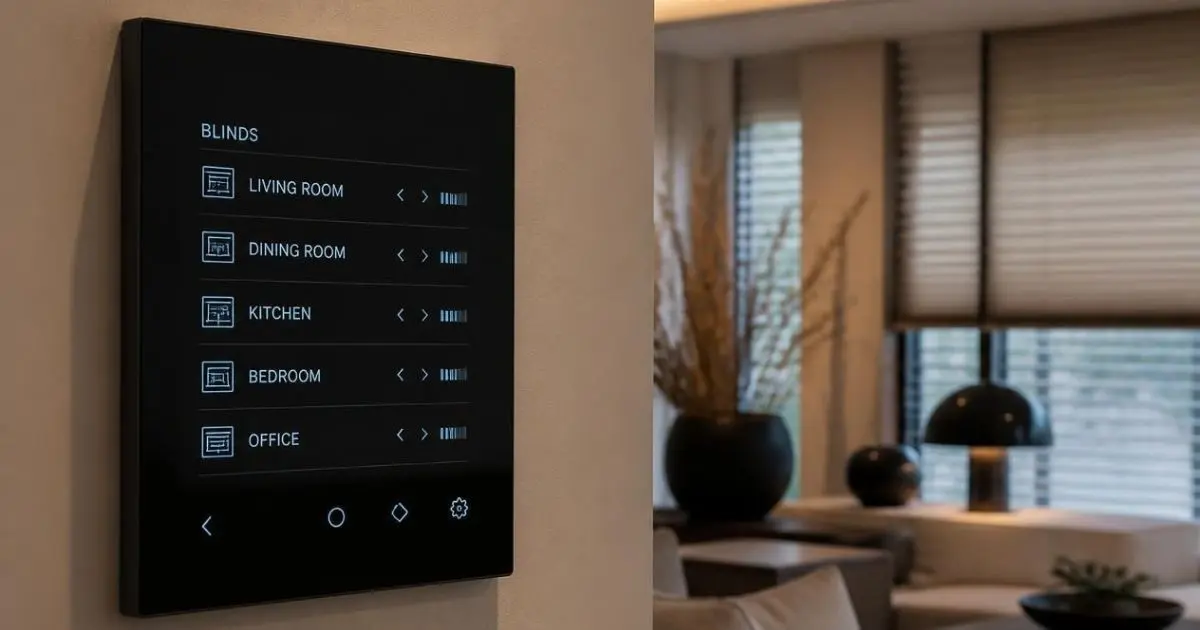
The blind can be controlled using a remote, wall switch, compatible app, voice command, timer, or sensor, based on the selected system and its technical specifications.
Motorised, automated, and smart blinds are related concepts, but each term has a different role. Motorised refers to powered movement.
Automated refers to programmed movement from a set time or sensor input. Smart refers to connected control through compatible home technology, such as an app or voice platform.
Not every motorised blind includes every control option. A simple remote can be enough for one room, while a larger home can benefit from central control across several blinds.
A single room does not always require an extensive control setup. Larger installations can connect several windows and rooms to one control point for easier privacy and light management.
Product compatibility, the available power source, and the customer’s automation preferences need to be confirmed before installation.
How motorised blinds improve everyday comfort
Comfort comes from easier light control, fewer repetitive manual adjustments, and a more consistent blind position across the day.
The benefit becomes more noticeable across large windows, high windows, or several blinds in one room. The effect is especially relevant in open-plan spaces.
Privacy is often the more direct benefit. Street-facing bedrooms, bathrooms, living rooms, and home offices can benefit from a regular close time in the evening. Interior light makes a room easier to see from outside after sunset, even if the blind position was adequate during daylight.
A scheduled close can reduce missed adjustments in rooms that face a pavement, neighbouring property, or communal area. A fixed privacy routine can also help households with regular daily schedules.
A homeowner away for several days could programme compatible blinds to open and close at selected times. Regular blind movement can make an empty house look occupied from the street and form part of the home’s security measures.
A motorised blind does not replace proper home or building security. Locks, alarms, gates, shutters, and other security measures are still required where protection against forced entry is a concern.
The role of a motorised blind is limited to privacy control and, on compatible systems, scheduled movement. Security planning should still rely on dedicated security products and procedures.
How motorised blinds can improve energy efficiency
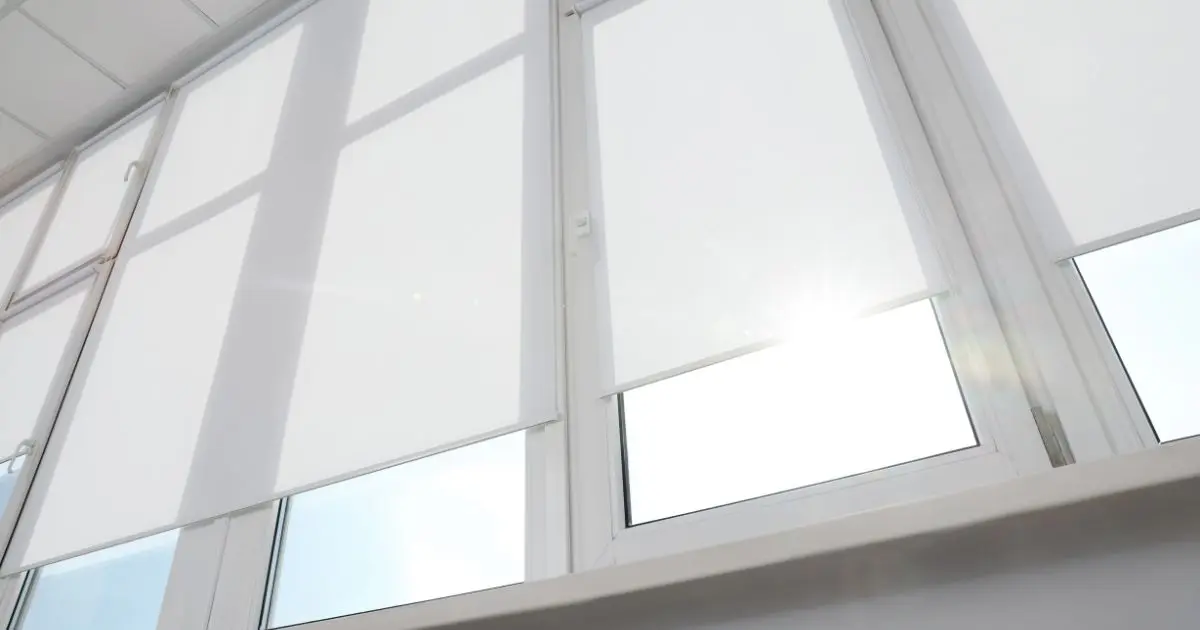
Motorised blinds can support energy efficiency when automation helps control sunlight and heat at suitable times.
A blind can reduce unwanted solar heat through a window, while scheduled control can make the blind position more consistent than occasional manual adjustment. The result still depends on the blind material, fit, glazing, and sun exposure.
A motor does not turn every blind into an insulated blind. Fabric density, blind construction, gaps around the edges, window orientation, and the glass itself all affect heat transfer. Thermal performance must come from the complete window treatment, not from the motor alone.
Why automation and the blind itself both affect performance
Automation mainly improves timing and consistency. The blind itself determines how much light and heat the window treatment can block, reflect, or trap. A scheduled or sensor-based system can help place the blind in the required position at the right part of the day.
| Control approach | What it does | Best practical application | Main limitation |
| Remote motor control | Moves blinds on command | Daily light and privacy control | Relies on manual input |
| Timed schedule | Moves blinds at set times | Predictable sun or privacy periods | Fixed times can miss weather changes |
| Sensor or smart automation | Responds to set conditions | Variable light and heat levels | Depends on compatible equipment |
Sun exposure is not the same in every room of a South African home. The direction a window faces, the type of glass and blinds, the fabric covering the window, and when direct sunlight reaches it can all change how much heat enters the room.
Motorised control can help close blinds during periods of direct sun, especially on exposed windows, while the blind itself provides the shading. Energy efficiency comes from the complete window treatment and how it responds to the home, not from the motor alone.
How to choose the right motorised blind setup for each room
Room purpose should guide the specification. Light control, privacy, glare, window size, and ease of manual reach can vary from one space to another.
A bedroom and a sunny living room can require vastly different fabrics and control settings, even when both have motorised blinds. Room purpose comes first.
The table below sets out a practical direction for common home situations. Final blind type, fabric, motor, and control choice should match the actual window dimensions and the Finishing Touches product range.
| Room or window situation | Main priority | Blind and automation direction | What to verify |
| Sunny living room | Glare and heat control | Timed or sensor-linked shade control | Fabric, sun exposure, compatibility |
| Bedroom | Privacy and light reduction | Scheduled close and preferred fabric opacity | Privacy level, power source |
| Home office | Screen glare and daylight | Precise remote or grouped control | Desk location, window direction |
| Large glazed area | Consistent control across width | Grouped motorised blinds | Motor capacity, blind dimensions |
| High window | Practical daily control | Remote motor control | Power supply, service route |
Prioritise two factors during selection, namely what the room requires from the blind, and how often a person would otherwise adjust it manually.
A tailored Finishing Touches consultation can match the blind, fabric, power option, and control method to the window and avoid a separate, disconnected motorisation choice.
What to consider before you choose motorised blinds
A decent motorised blind specification should start with the window and the room, not the control device. Power, fabric, dimensions, installation, and after-sales support should all be confirmed before an order is finalised.
A control method that looks advanced in theory can be a poor match if battery recharge is awkward, electrical provision is impractical, or the blind is too heavy for the selected motor. Compatibility should be confirmed before fabrication.
Check these six points before selection:
- Power source: Compare wired, battery, and rechargeable options, plus expected performance during load shedding or a power cut.
- Control method: Decide whether a remote, wall switch, schedule, app, voice command, or sensor is appropriate.
- Blind and fabric: Match privacy, glare, light control, and thermal goals to the selected blind material.
- Window dimensions: Confirm width, drop, blind weight, and motor capacity before the final product specification.
- Installation: Confirm electrical requirements, charger placement, cable routes, and professional requirements before installation.
- Warranty and support: Confirm motor cover, control cover, service options, and replacement component availability before purchase.
Remember to monitor load shedding in South Africa. Battery or rechargeable systems can behave differently from mains-powered systems, and connected hubs can also depend on separate power.
Current motor ranges include wired and wire-free options, which makes the power source a genuine design choice.
Frequently asked questions about motorised blinds
What happens to motorised blinds during load shedding?
Performance depends on the power source. A battery or rechargeable motor can continue to move while charge is available, while a mains-powered motor depends on electrical supply. Apps, hubs, routers, and other connected controls can have separate power requirements; the complete system specification should be checked.
Can current blinds be converted to motorised blinds?
Conversion is possible in some cases, but not every blind is suitable for a motor. Blind condition, width, weight, headrail or tube design, and motor compatibility all affect the answer. A professional assessment can confirm whether conversion is practical or whether replacement is the more appropriate option.
Do motorised blinds need an electrician?
Electrical requirements depend on the selected motor and power source. A wired system can require suitable electrical provision, while battery or rechargeable options can have different installation requirements. The safest approach is to follow the motor specification and confirm the installation method before work starts.
What maintenance do motorised blinds need?
Routine care includes normal blind care, battery recharge, or replacement where applicable, and checks for obstructions around parts that move. Motors and controls should follow the manufacturer’s service guidance. Uneven movement, reduced response, or new motor noise should prompt a service assessment before the fault becomes more serious.
Are motorised blinds worth it?
Motorised blinds can be a practical investment when comfort, privacy, light control, or hard-to-reach windows create a genuine daily need.
Homes with large glazed areas, several blinds in one room, regular glare, or predictable privacy schedules can gain the most from a tailored motorised setup.
The value depends on the complete specification. The blind, fabric, power source, control method, window size, and room purpose should all support the same goal.
Motorisation on its own cannot correct an unsuitable blind or fabric choice. A professional specification also helps prevent unnecessary cost on control features that solve no real room or window problem.
Finishing Touches can help assess your windows, light control, privacy requirements, décor, and preferred automation level, then recommend a custom-made motorised blind solution for your home.